
AUTONOMY WHEN
COMMS GO DARK

We develop autonomous drones for mapping, strikes, and real-time missions — tested in extreme conditions and deployable in hours via modular container units.
three
3
autonomous OPERATING MODES

surveillance
surveillance
Surveillance Mode turning any terrain into actionable intelligence with autonomous sweeps, precision tracking, and instant replay.
Sends Platform One drones to sweep a geofenced area, piecing together a live 3-D map even if jammers cut communications. On-board vision AI tags vehicles and troop movements, then relays only the key coordinates through the drone mesh to command.
Every flight is archived for instant replay. Operators can scrub back to any time stamp — “Yesterday 15:00, sector Delta” — to spot changes and feed fresh data into simulation training, so the system keeps getting smarter between sorties.
offence
offence
The Offensive Mode deploys drone swarms that autonomously execute strike missions using live surveillance intel, adaptive navigation, and post-strike telemetry synced for continuous tactical learning.
When a high-value target is confirmed, Platform Two launches in swarms, plots the lowest-risk ingress using live intel from Surveillance Mode, and autonomously adjusts course if jamming or air defenses spike. Operators approve the final strike plan but never micromanage individual drones.
Post-strike telemetry—including blast radius and collateral-damage scoring—is auto-synced to WarSuite, closing the loop for after-action review and feeding new edge cases into the simulation trainer.
defence
defence
The Defense Mode uses autonomous drones in shield formations to detect and counter airborne threats in real time, continuously improving its threat response through logged telemetry and AI-driven pattern recognition.
Platform One patrols the perimeter in low-latency “shield” formations, using radar-fusion and RF sniffers to spot incoming drones, missiles, or artillery within seconds. Threat vectors are projected onto the command UI, and the system suggests optimal counter-measures—jam, spoof, or alert Platform Two for interception.
All detections are logged with time, trajectory, and signature data, enriching the threat library so each subsequent mission refines its response curves and reduces false alarms in contested airspace.
surveillance
surveillance
Surveillance Mode turning any terrain into actionable intelligence with autonomous sweeps, precision tracking, and instant replay.
Sends Platform One drones to sweep a geofenced area, piecing together a live 3-D map even if jammers cut communications. On-board vision AI tags vehicles and troop movements, then relays only the key coordinates through the drone mesh to command.
Every flight is archived for instant replay. Operators can scrub back to any time stamp — “Yesterday 15:00, sector Delta” — to spot changes and feed fresh data into simulation training, so the system keeps getting smarter between sorties.
offence
offence
The Offensive Mode deploys drone swarms that autonomously execute strike missions using live surveillance intel, adaptive navigation, and post-strike telemetry synced for continuous tactical learning.
When a high-value target is confirmed, Platform Two launches in swarms, plots the lowest-risk ingress using live intel from Surveillance Mode, and autonomously adjusts course if jamming or air defenses spike. Operators approve the final strike plan but never micromanage individual drones.
Post-strike telemetry—including blast radius and collateral-damage scoring—is auto-synced to WarSuite, closing the loop for after-action review and feeding new edge cases into the simulation trainer.
defence
defence
The Defense Mode uses autonomous drones in shield formations to detect and counter airborne threats in real time, continuously improving its threat response through logged telemetry and AI-driven pattern recognition.
Platform One patrols the perimeter in low-latency “shield” formations, using radar-fusion and RF sniffers to spot incoming drones, missiles, or artillery within seconds. Threat vectors are projected onto the command UI, and the system suggests optimal counter-measures—jam, spoof, or alert Platform Two for interception.
All detections are logged with time, trajectory, and signature data, enriching the threat library so each subsequent mission refines its response curves and reduces false alarms in contested airspace.
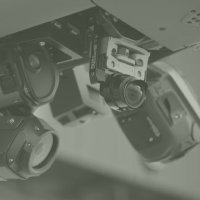
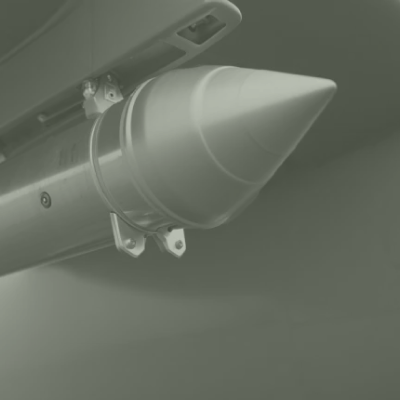
The drone comes in three
3
distinct platforms — each engineered for a specific mission set.

Three

Platforms One Autonomy Stack


A medium-altitude ISR drone built for persistent area coverage. It flies fully autonomously—even through GPS or comms jamming—stitching a live 3-D map and flagging threats while its low-cost airframe can be mass-produced in container factories near the front.
A fast (≈ 400 km/h), one-way strike vehicle that carries lightweight vision models on-board to track and neutralize high-value targets. Launched in swarms, it plots its own evasive route in real time, turning fresh intel from Platform One into precision kinetic effects with minimal human oversight.
Starting Q1 2026, we will open up our stack for integration with third-party platforms that use standard MAVLink-based flight controllers-beginning with fixed-wing and FPV-style multirotors. We're actively developing onboarding tools, calibration wizards, and mission tuning pipelines to enable fast adaptation.
A medium-altitude ISR drone built for persistent area coverage. It flies fully autonomously—even through GPS or comms jamming—stitching a live 3-D map and flagging threats while its low-cost airframe can be mass-produced in container factories near the front.
A fast (≈ 400 km/h), one-way strike vehicle that carries lightweight vision models on-board to track and neutralize high-value targets. Launched in swarms, it plots its own evasive route in real time, turning fresh intel from Platform One into precision kinetic effects with minimal human oversight.
Starting Q1 2026, we will open up our stack for integration with third-party platforms that use standard MAVLink-based flight controllers-beginning with fixed-wing and FPV-style multirotors. We're actively developing onboarding tools, calibration wizards, and mission tuning pipelines to enable fast adaptation.



Built with exceptional
Swiss precision — every component meets the highest standards of performance and reliability.


Container manufacturing units
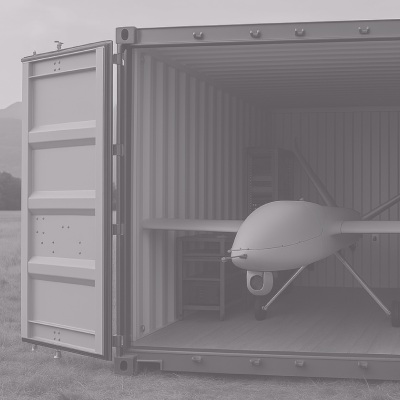

Maintenance on the Spot

Hours, Not Weeks

Factory-in-a-Box

Switzerland’s extreme mix of dense forests, steep valleys, and high-altitude ridgelines gives us a live proving ground that simulation alone can’t match.
Every platform upgrade flies here first, stress-testing navigation, mesh comms, and strike accuracy against real jamming and weather — so when WarSuite deploys abroad, it’s already battle-hardened.
get in touch

with us
If you’re looking to become part of the team, support our mission as an investor or sponsor, or collaborate strategically — fill out the form. We’re always open to ambitious partnerships.
